Perspective Glass
Dateca. 1770
OriginEngland, London
MediumCherry, oak, glass, mercury amalgam silvering and paint.
DimensionsOH: 2'; OW: 2' 1 1/2"; OD: 1' 6".
Credit LineMuseum Purchase
Object number1952-250,A
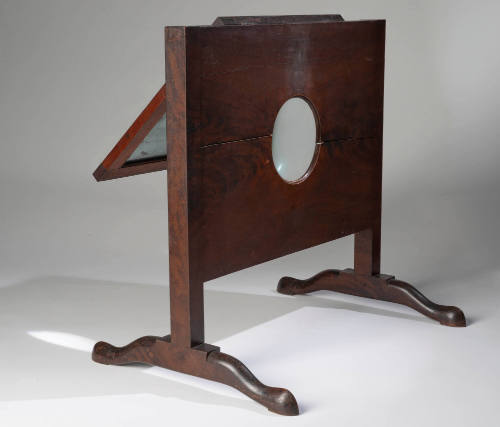
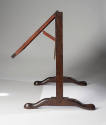
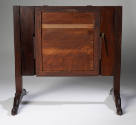
DescriptionPerspective glass. Solid board 1'4 3/4" x 1' 10 1/2" tennoned into plain uprights; flush in front; braced in back. In center of solid board is circular cut-out with moulded front edge. Into this is set large (6" diameter) ground lens. Attached by hinges to top of board at back is looking glass, set into plain frame; swivels out to 45 degree angle; is held in place by prop-stick. Uprights tennoned into "shoe" feet at right angles to central board. Modified trestle base consists of four pointed un-shod "snake" feet. Front and sides grained in imitation mahogany.Label TextKnown as “peep shows” or “perspective viewing glasses,” perspective glasses enjoyed popularity in the colonies during the latter half of the eighteenth century. They were imported from England to America but advertisements in the Pennsylvania Gazette document the availability of locally made examples. These devices were used for viewing prints depicting various scenes from city streets to natural landscapes. Prints had to be printed “backwards” or in reverse for these devices as the mirror reversed the image for viewing. When placed under the perspective glass, the viewer, standing a foot or two in front of the lens, would see the print enlarged in its correct orientation. This was the closest thing to a 3-dimensional viewing of a 2-dimensional scene in the eighteenth century.Although larger, this optical viewer carries the same principles as other tabletop forms. The most notable feature of this model is the trestle-base stand. Often, the materials and finishes of domestic viewers were of a high quality that matched the furniture with which it was displayed and used. It was not uncommon to see examples made from mahogany or cherry, decorated with inlaid decoration and elaborate carving. The front and sides of this optical device are grained to imitate mahogany.
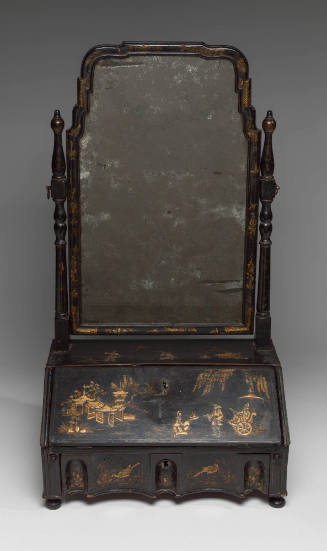
1700-1727
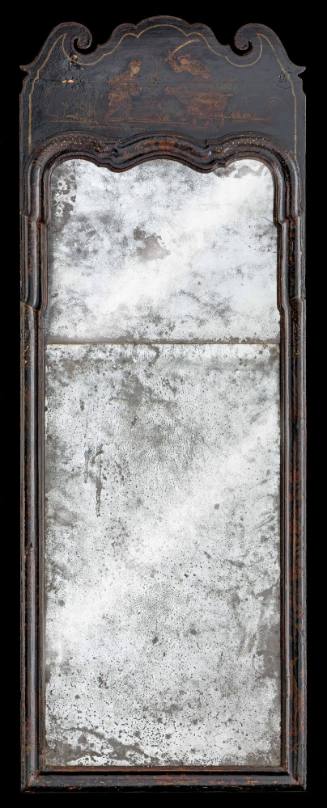
1720-1740
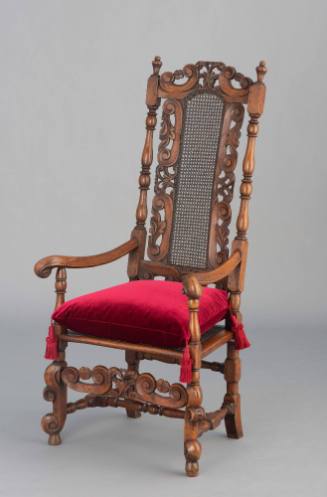
ca. 1700
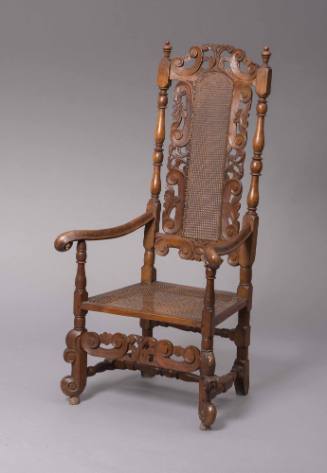
ca. 1700
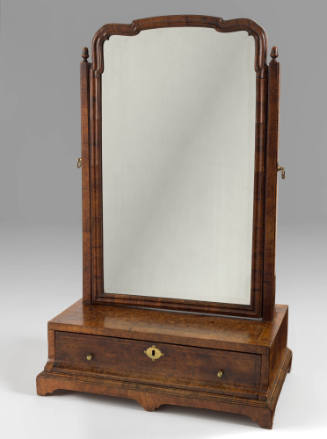
1720-1750
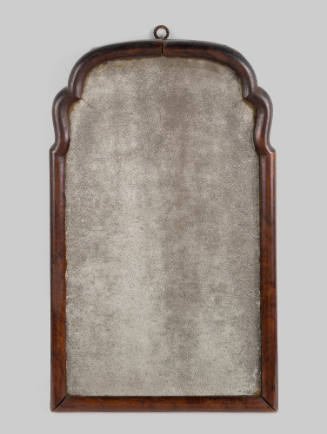
1710-1740
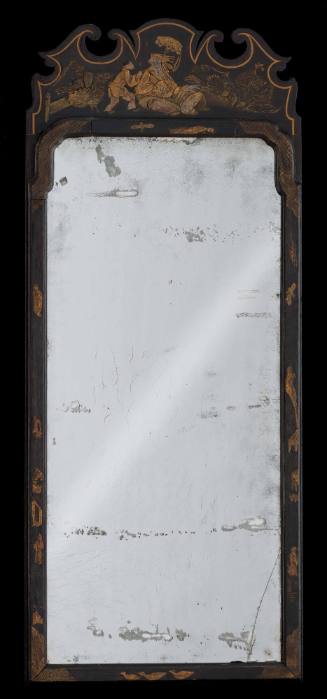
1730-1740
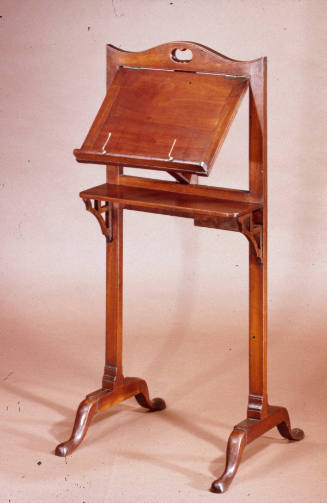
1760-1780

1790-1810
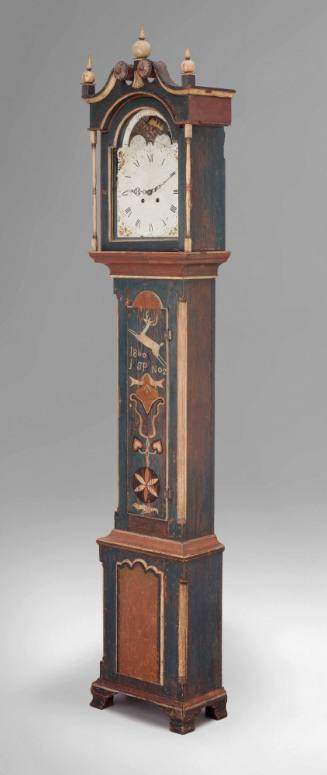
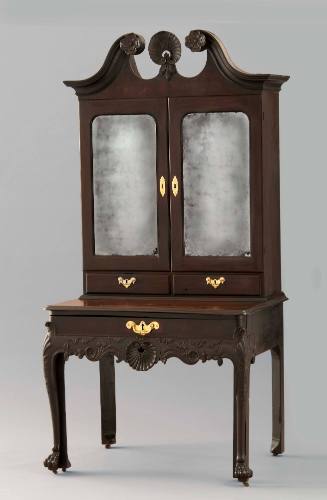
ca. 1740