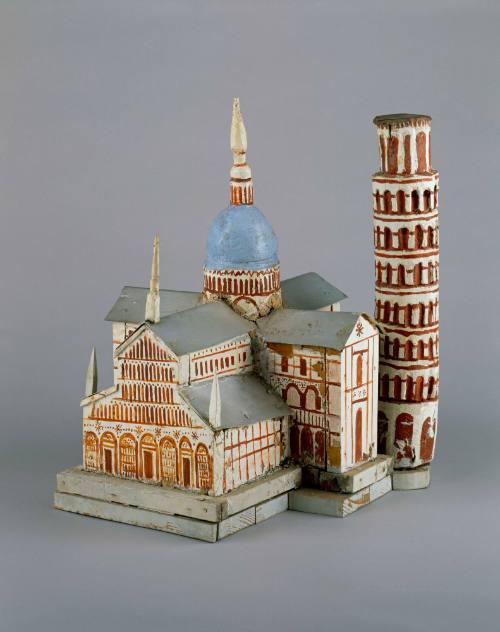
Pisa Cathedral
Date1950-1965
Attributed to
Aldobrando Piacenza
1888 - 1976
MediumPainted wood, tin, and iron
DimensionsOverall: 19 1/2 x 16 x 16 1/2in. (49.5 x 40.6 x 41.9cm)
Credit LineMuseum Purchase
Object number1994.701.1
DescriptionA model of a cruciform structure featuring a nave with a gable roof and clerestory, a gable-roofed transept, and a blue dome with a spire at the intersection of the two. Three white spires deck the entrance facade. All facades have windows and arches painted in red against a white ground. A detached, eight-story, red-and-white campanile is located at the right rear of the main structure.Label TextAldobrando ("Aldo") Piacenza was born in the province of Modena in northern Italy, the only son among six children. He helped work his family's farm, but in 1902, dim economic prospects forced the fourteen-year-old boy and his father to take temporary jobs in distant Campiglia. It was the youngster's first taste of life outside his close-knit community, affording him a first train ride and a visit to Pisa, where he toured the Duomo with its famous leaning tower.Emigration seemed a solution to the family's financial struggle. In 1903, "bitterly weeping," Piacenza left his family and sailed for America with a group of six men and two boys, first settling in Chicago, where the residents of the city's Italian neighborhoods helped him adjust to the strange language, sights, and customs of his new country.
Over the ensuing years, Piacenza worked an immense variety of jobs, continually sending money back to his family in Italy and occasionally returning there for visits. He became an American citizen and loved his adopted country, but he never forgot his homeland. After building a sundries store into a thriving business in Highwood, Illinois (and particularly after turning its management over to his son about 1950), he increasingly made time to write, paint, and sculpt.
Piacenza eventually covered the exterior of his house with painted murals and, using scrap lumber and other found objects, filled his yard with models of buildings that masqueraded as birdhouses. (In fact, few birds ever occupied them). He was a devout Roman Catholic, and most of these miniature buildings were churches and cathedrals. Like the museum's sculpture, some were readily identifiable as historic structures, but others were pastiches, combining elements from several different buildings.
ProvenanceOwnership prior to Hammer Gallery (AARFAM's source) is undocumented.
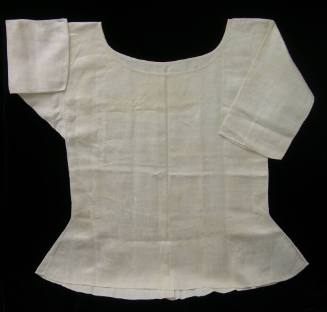
ca. 1650 (Textile)
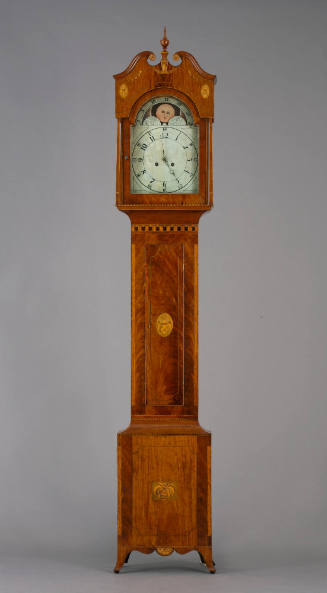
1852-1865 (probably)
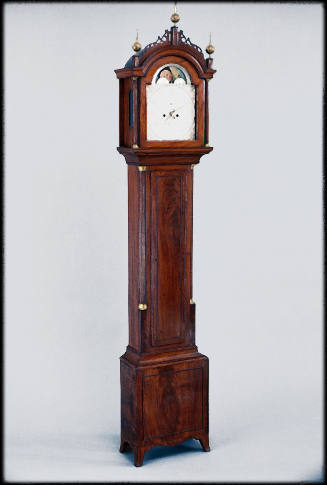
ca. 1733
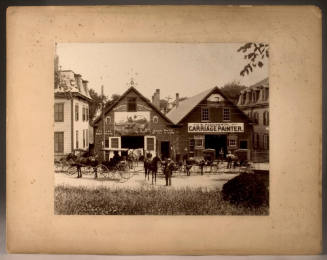
Probably 1900-1910