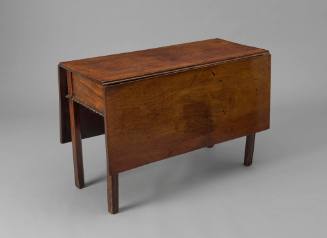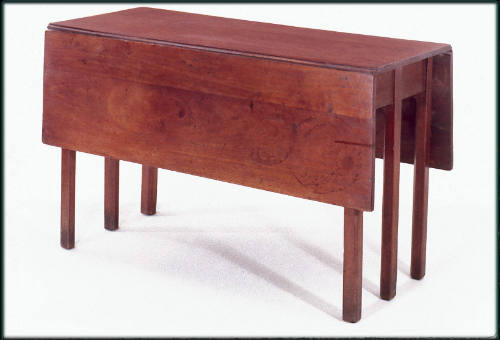
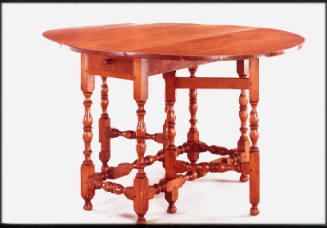
Dining table
Date1760-1780
MediumBlack walnut, yellow pine, and oak
DimensionsOH: 28 1/2"; OL: 47 1/4"; W Closed: 18 3/4"; W Open: 48 1/2"
Credit LineMuseum Purchase
Object number1953-86
DescriptionDining table: rectangular top on straight skirt and with 2 rectangular drop leaves; supported on 4 straight square tapered legs and 2 swinging legs to support leaves (total 6 legs).Label TextThis ordinary black walnut dining table had an extraordinary history of having descended in a free (not enslaved) African-American family in James City County, Virginia during the mid to late-19th century or earlier. The table was purchased from two sisters living on the Duke of Gloucester Street in Williamsburg in 1926 who indicated that it had belonged to their grandmother. Genealogy into the Canaday and Wallis families suggests that whichever grandmother the sisters inherited it from lived in James City County in the early to mid-19th century. They and their families were members of a free African-American community that existed in the county prior to the Civil War. They may have been descendants of individuals who had been manumitted by William Ludwell Lee of Green Spring Plantation at the time of his death in 1802. Those individuals settled at the Hot Water tract, a portion of Green Spring Plantation given by Lee to his manumitted slaves (now Freedom Park, James City County, Virginia). While it is not known how the family acquired the table, it could have been purchased by or gifted to the grandmother at any point during the 19th century (probably prior to 1870 based on the probable life dates of these women). It is unlikely to have been owned by family members when it was first made in the late-18th century since objects such as this would most likely have been too expensive for a free African-American to have purchased when new and slaves would not have owned furniture of this type. However and whenever it was acquired, the table is a rare object that was owned by free African-Americans around the time of if not before the Civil War. Objects with this type of history are rarely identified, making this an extraordinary object.ProvenanceVendor stated that she purchased the table in 1926 from two old African American women who lived on Duke of Gloucester Street in Williamsburg. They said it had belonged to their grandmother. (Letter in object file from vendor to Kenneth Chorley, December, 1952.)
Through documentary research, the woman have been identified as two of the three sisters who lived at lot #312 / 324 Main Street (Duke of Gloucester Street) on the south side of the street where the Brick House Tavern and James Anderson House are currently located. These were Harriett R. Tucker, Emma E. Wallace, and Susan Canaday, daughters of Elizabeth Canaday and her husbands James Canaday (m. between 1840 and 1850) and Richard Wallace (m. between 1860 and 1870). (Susan died around 1926 and so probably was not one of the two sisters mentioned.) The grandmother who left the sisters the table could have been Betsey Canaday (b.c.1798), Mary Wallis (b.c.1803; died pre-1869), or a third woman, the unknown mother of Elizabeth Canaday. All of the family members identified lived in James City County according to the 1830-1870 Federal Censuses. Because of their inclusion on the censuses, it is clear that they were free and not enslaved people. Very possibly these individuals lived at the Hot Water tract (now Freedom Park, James City County) and were the descendants of the individuals manumitted by William Ludwell Lee of Green Spring Plantation at his death in 1802.
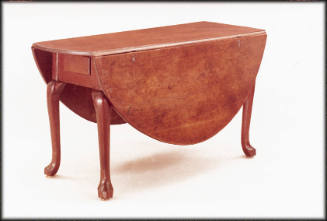
1730-1750
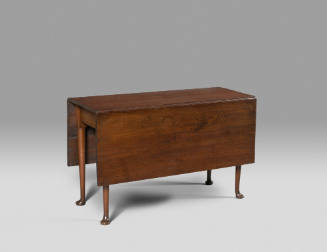
ca. 1770
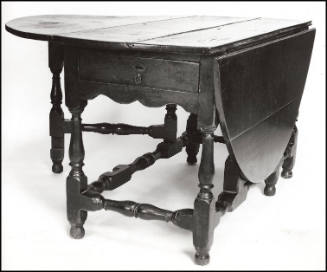
1690-1730
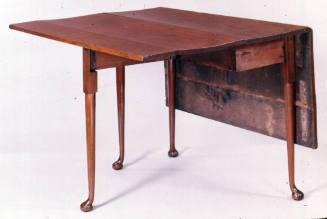
1750-1790
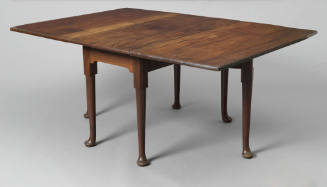
1755-1775
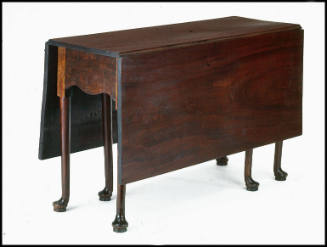
1760-1780
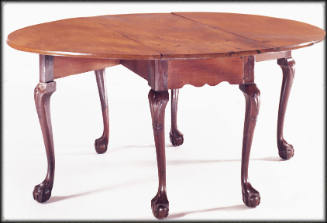
1750-1780
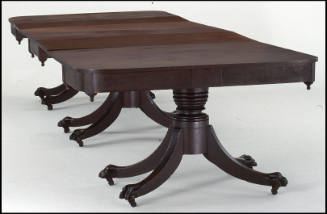
ca. 1825
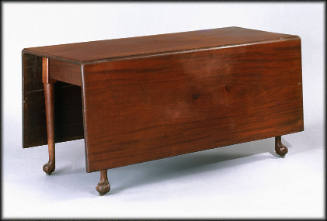
1750-1770
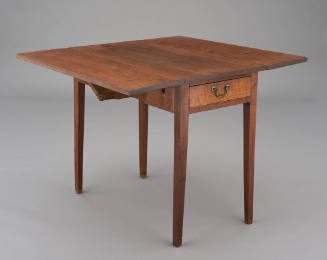
1790-1820
1715-1740