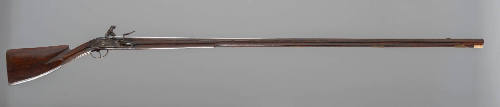
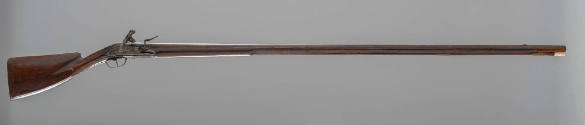

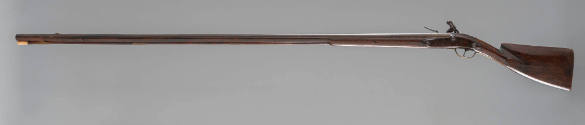
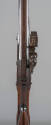
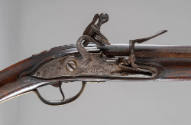
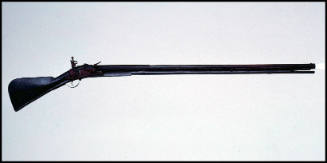
French Buccaneer Musket
Dateca. 1690-1720
OriginFrance, Nantes
MediumMusket: Wood, iron, steel, and brass; Rammer (modern): wood and tooth, possibly bone
DimensionsOverall: 73 1/8"; Barrel: 57 3/4"; Bore: about .66 cal.; Lockplate: 6 1/2" x 1 3/16"; Butt: 5 3/8" x 2 1/16"
Credit LineMuseum Purchase
Object number2026-25
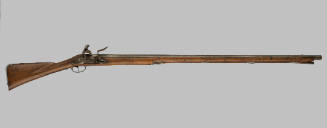
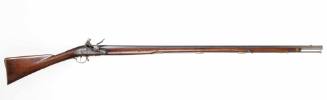
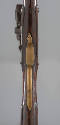
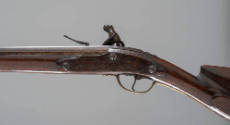
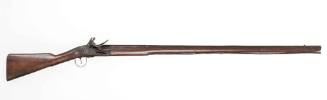
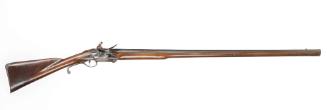
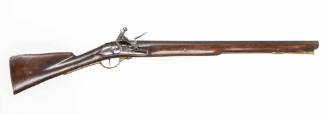
DescriptionEarly buccaneer musket with characteristic long barrel and fish-bellied club butt. Full stocked with carving tracing the bottom of the butt, the sideplate flat, and around the lock and barrel tang mortices. Octagon-to-round barrel held with pins and a large-headed screw from below, set with a brass blade sight set back from the muzzle. Flat lock with beveled edges held by three side nails, sheet brass heel plate held by five nails, cast brass triggerguard, and three sheet brass rammer pipes. Made without a sideplate, triggerplate, or entry pipe. Modern reproduction rammer.Label TextThough the term "buccaneer" conjures up images of swashbuckling pirates, it originates in the French word "Boucanier," applied to the Gallic hunters who worked in the Caribbean. Since dried meat was called "boucan" by the native peoples, those who harvested and exported it received the moniker. The Boucaniers received a distinctive species of arms during the late 17th century, distinguished by an attractively shaped "club" butt and a very long barrel. For centuries, these have been referred to as "buccaneer muskets." As early as the 1680s, specialist gunmakers were producing buccaneers in French ports like Nantes and Dieppe, which is not surprising since these arms were meant for export. In the British world, the buccaneer musket became a favorite, and British gunsmiths began making their own versions, also for export, by the second quarter of the 18th century. In the colonies, the buccaneer helped inspire the distinctly-American early long fowlers made throughout New England and into the Hudson Valley.
Colonial Williamsburg's buccaneer musket carries the name "Naud," working in Nantes, though he has yet to be identified. In an English collection until brough to America in the 1960s, it is amongst the finest examples surviving from the tail end of the 17th century or the beginning of the 18th.Inscription(s)Lock engraved "Naud A Nantes" in two lines.Mark(s)None visible without disassembly.ProvenanceLewis Gordon collection (purchased in England in the 1960s); sold to Alan J. Gaines in 1974 (Portsmouth, RI); [Amoskeag Auction Company, Inc., Manchester, NH, Auction 149, 3/28/2026, Lot 351]; 2026, purchased by The Colonial Williamsburg Foundation (Williamsburg, VA)
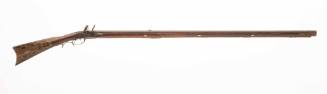
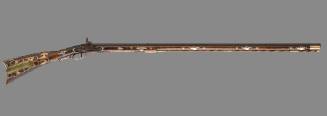
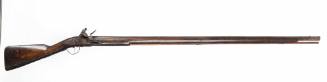
ca. 1710-1720
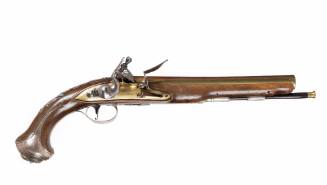
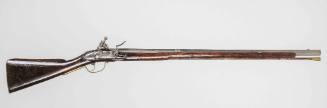
ca. 1660-1670
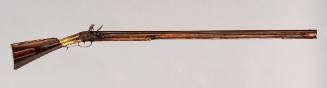
ca. 1740