
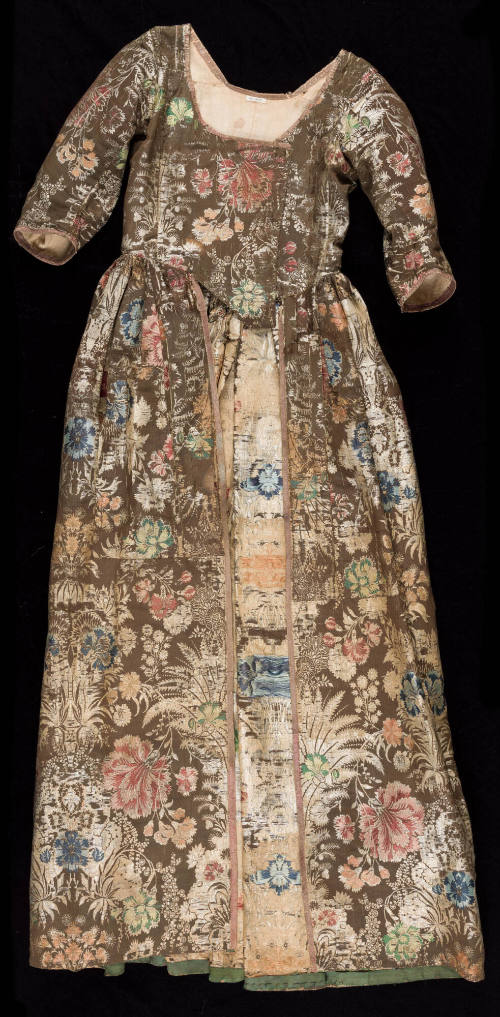
Gown, brown brocaded silk
Date1775-1785 (dress); 1730s (textile)
MediumSilk, linen
DimensionsOL 56 1/2 in.
Credit LineGift of the Valentine Museum, Richmond, VA
Object number2023-205
DescriptionWoman's gown of brown-ground silk woven in large-scale symmetrical design of flowers and bunches of feathery leaves in cream, pinks, blues, and greens. The fitted bodice has a low rounded neckline fastened at the front. A portion of the left bodice front has been removed, so the gown now fastens slightly off-center. The fitted sleeves are cupped over the elbows, without ruffles or cuffs. The open-front skirt is pleated to the bodice with small pleats. The fitted bodice back dips to a point at the center back waist. The sleeves and part of the bodice are lined with cream linen. The skirt is unlined. Later ribbons bind the neckline, sleeve openings, and skirt. Probably originally dating 1730s, the gown was remade to the style of 1775-1785. Later repairs and bindings have been added at neckline, skirt fronts, and hem.
The gown material is fragile and is mended and splitting in numerous places.Label TextThis gown reveals the importance given to expensive textiles and clothing, which were often handed down through generations. The silk brocaded textile of this gown probably dates to the 1730s, and the gown was later remade many years later to the style of 1775 to 1785. The gown has a history in a prominent Virginia family.ProvenanceAbout 1730s, probably the mother or grandmother of Rebecca Elizabeth Tucker [1750-1826] (Virginia); ca. 1780, gown remade and worn by Rebecca Elizabeth Tucker; dates unknown, descended in the family to Miss Susan Carter [probably 1900-1993] (Charlottesville, VA); 1948, given to Valentine Museum (Richmond, VA); 2023, given to Colonial Williamsburg Foundation (Williamsburg, VA)
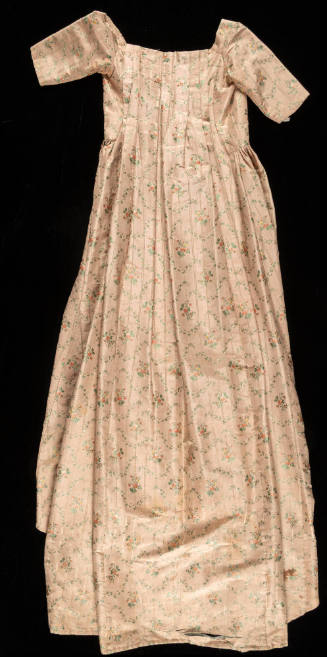
1775-1785, altered later
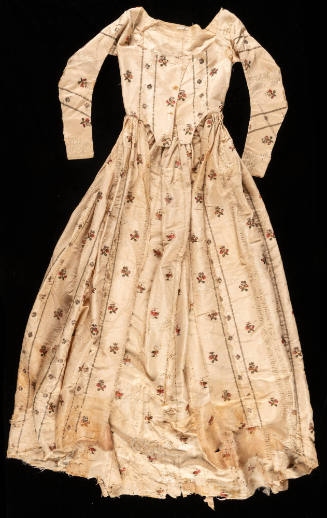
1770s (textile); late 1780s - early 1790s (gown)
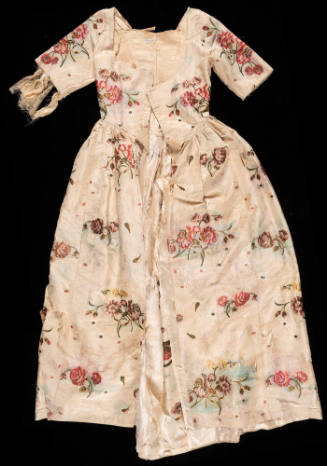
1780s from late 1740s silk, altered later
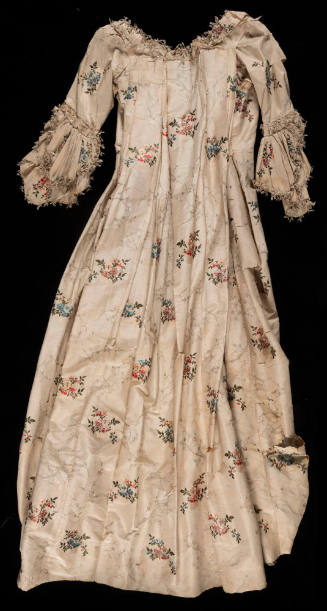
1760-1770
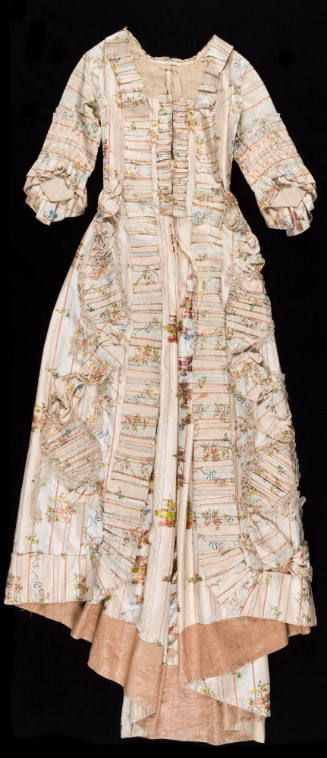
1770-1775
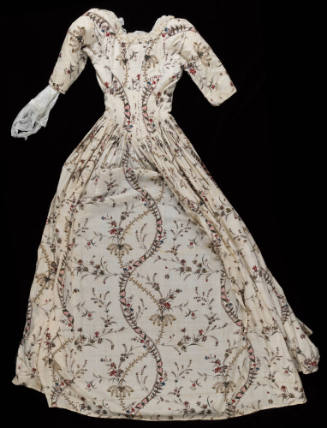
ca. 1780
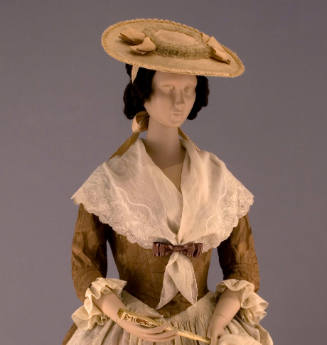
1740s (silk); remade 1775-1780
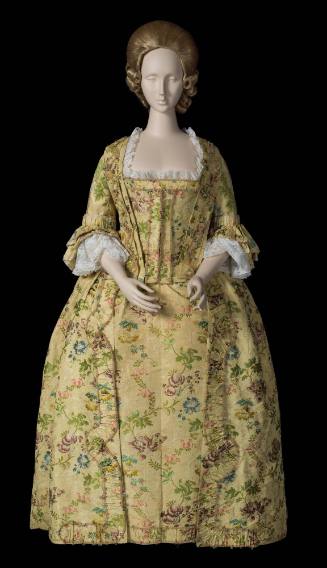
Textile ca. 1740; gown 1770-1776
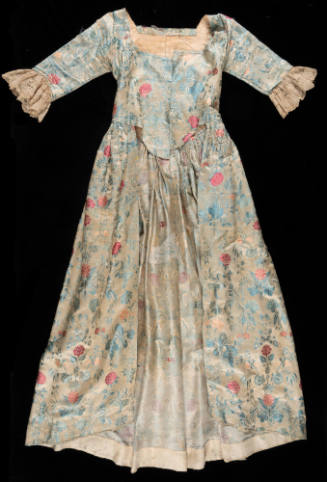
1770-1780; textile ca. 1720
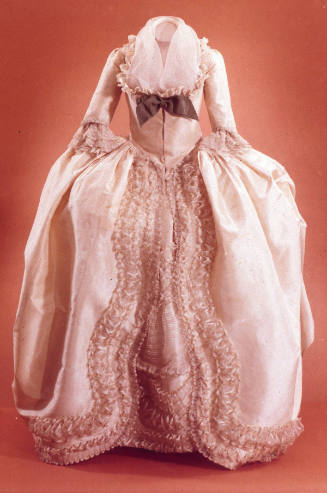
1780-1789
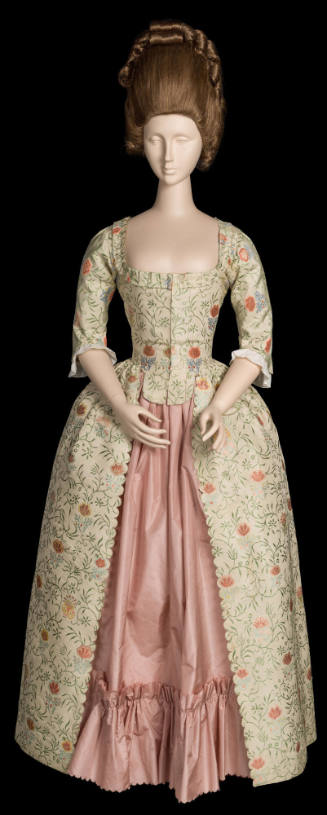
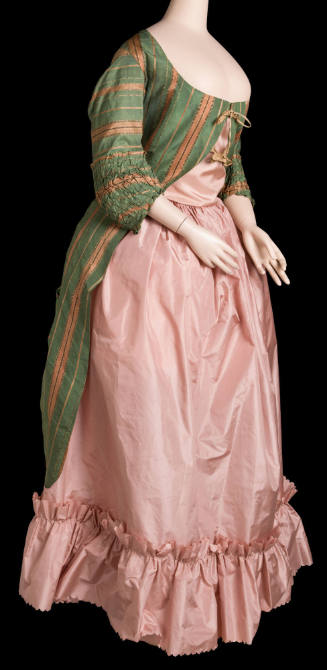
1775-1780, altered later