
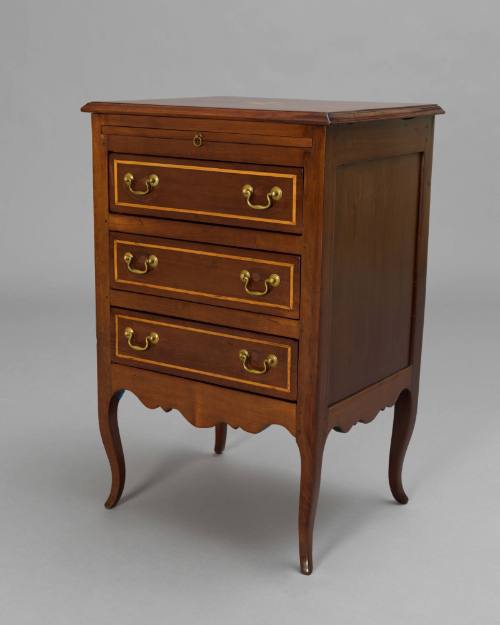
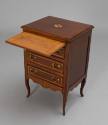
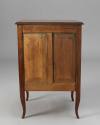
Chiffonier
Date1815-1825
MediumCherry, cypress, maple, tulip poplar, walnut, and sulfur
DimensionsOverall: 31 1/2 × 21 × 16 3/4in. (80 × 53.3 × 42.5cm)
Credit LineMuseum Purchase, the TIF Foundation in memory of Michelle A. Iverson
Object number2021-17
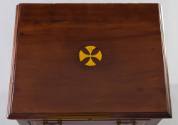
DescriptionAppearance:Small chest of drawers or short chiffonier, rectangular top with ogee molded overhanging edges on front and sides; top inlaid in center with sulfur Alissee cross (croix pattée alésée arrondie); deep upper rail (originally with a slide within that rail) over three drawers of equal size each with a wide lightwood (possibly maple) band outlining the drawer fronts and two oval brass drawer pulls (replaced); scalloped skirt on front and sides; squared cabriole legs.
Construction:
Top and bottom rails on sides and back, and bottom rail on front tenonned and double pegged to stiles/integral legs; drawer blades tenoned and pegged to stiles/integral legs; side panels chamfered on inside faces and in dadoes in side rails and stiles; vertical medial stile on back mitered and tenoned into top and bottom rails of back; two panels on back chamfered on back and in dadoes in back rails and stiles; back rails and vertical medial stile have thumbnail molding on inner edges surrounding panels; L shaped drawer supports with integral guides tenoned into legs; newer boards extending to rear of drawer blades nailed to inside face of drawer supports to extend support surface; bottom board nailed from underside into drawer supports; slide supports nailed to inside face of top side rails; proper left slide support has lathe nailed to inside face for extra support; top originally pegged to case.
Slide and upper rail (missing) replaced during conservation in 2021.
Drawers have standard dovetail construction; bottom board chamfered around all sides and indados in front, sides, and rear.Label TextLike much early Louisiana furniture, this object was modeled on a French prototype. In this case the inspiration was the chiffonier, a narrow chest of drawers. Typically, the Louisiana version diverges from the French original in the substitution of local woods for exotic imports and the omission of ornate gilt-metal mounts. The sulfur inlay on the top is unusual for Louisiana. Sulfur was often used for inlays on Germanic-influenced furniture from Pennsylvania, western Virginia, and North Carolina, but it is rare further south.
This chiffonier descended in the Aime and Fortier families of St. James Parish and New Orleans. It may have been owned by Valcour and Josephine Roman Aime and used at their Mississippi River plantation, often called “Le Petite Versailles” because of its grandeur. Colonial Williamsburg owns a portrait of their daughter, Félicie Aime.
ProvenanceThe chiffonier may have originally been owned by Francois Gabriel (Valcour) Aime (1797-1867) and his wife Josephine Roman Aime (1797-1856) of “La Petite Versailles” in Vacherie, Louisiana who married in 1816. Their daughter, Félicité Emma Aime (1823-1905) married Septime Alexandre Fortier (1816-1898) in 1841 and lived at Felicity Plantation, given to the couple by her father. Their daughter, Anna J. Fortier (1842-1930) owned the chest and a portrait by Jacques Amans of her mother’s sister, Josephine Aime, until she gave it to her nephew Pierre Ganucheau (also known as Frank or Francois Pierre Joseph Ganucheau (1890-1949) in whose family it descended until 2021.
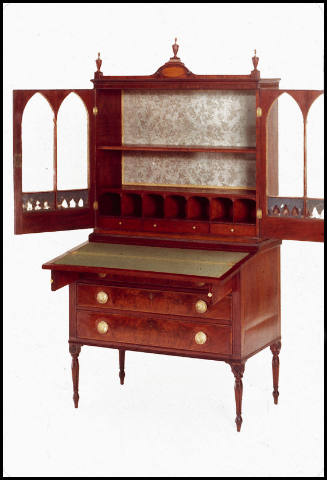
ca. 1798
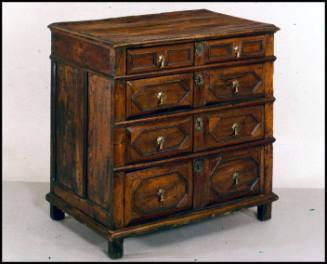
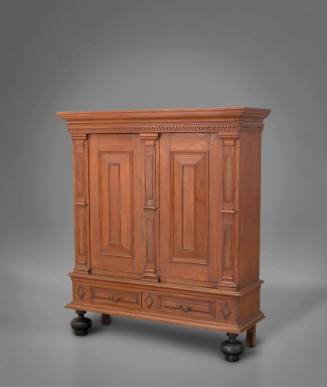
1680-1700
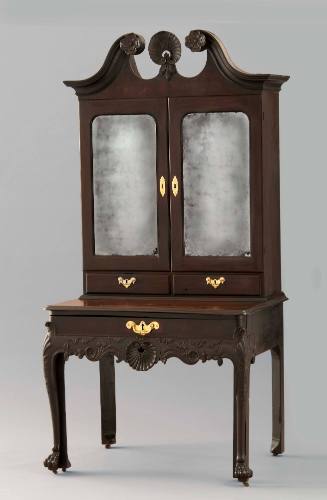
ca. 1740
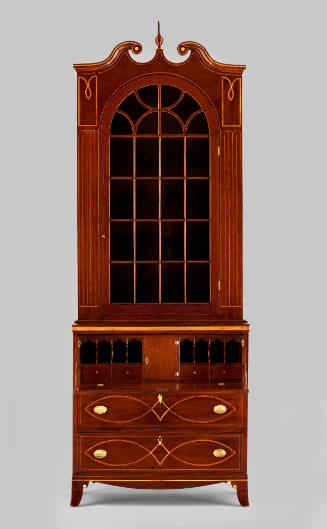
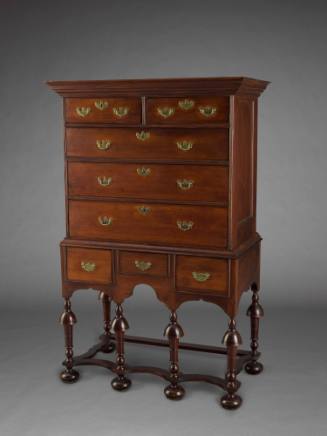
1710-1740
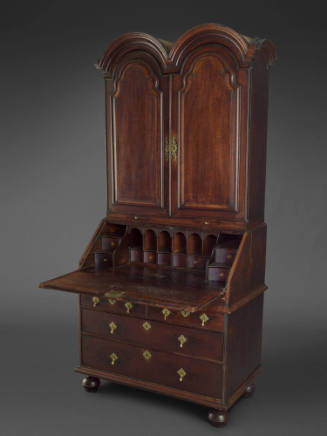
1700-1730
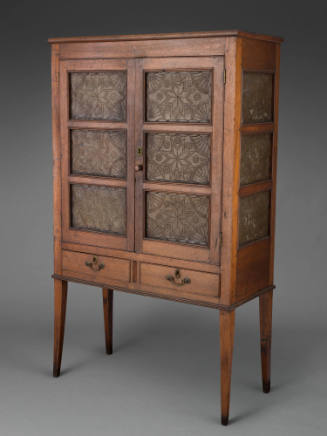
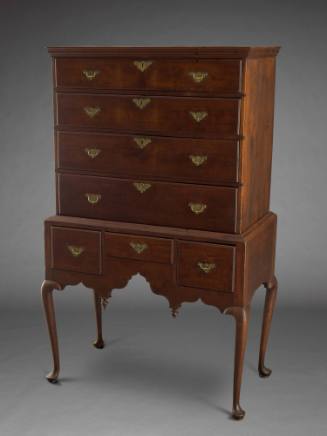
1725-1750
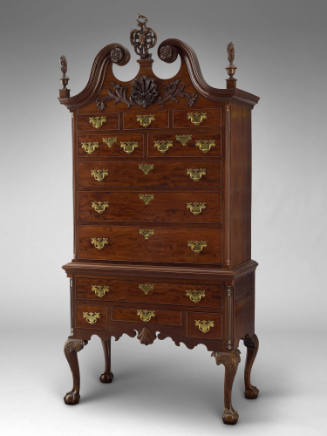
ca. 1770
1760-1780