1792 Danish "Abolition of the Slave Trade" Medal
Date1792
Die Cutter
Pietro Leonardo Gianelli
Designer
Nicolai Abildgaard
OriginEurope, Denmark
MediumBronze
DimensionsDiameter: 56 mm
Credit LineMuseum Purchase, Lasser Numismatics Fund; and Partial Gift, John Kraljevich
Object number2017-338
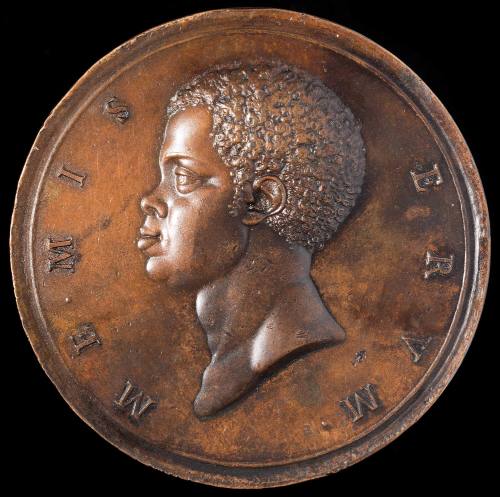
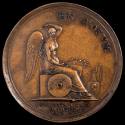
DescriptionObverse: Nude bust of an African man facing left. Around is the Latin legend ME . MISERUM (Wretched Me).Reverse: Seated figure of Nemesis (the avenging goddess of divine indignation) seated to the right and facing, touching the tip of her wing with her left hand while holding an apple branch in her right hand. A wheel, bearing her name in Greek, rests against her seat, and an oinochoe (ancient wine jug) bearing the bust of an African man is at her feet. Above is the legend EN ADSUM, with LEGE LATA A REGE DANORVM D.XVI MART MDCCXCII in exergue (I Am With the Current Law of the Danish King, March 16, 1792).
Edge: Plain.Label TextIn 1792, as the move towards the banning slavery was taking hold throughout Europe, Crown Prince Frederik V of Denmark issued a landmark proclamation: The Edict of the Abolition of the Slave Trade. This decree made Denmark the first European nation to decide to end the odious, inhumane practice, although in hindsight it looks like a small step in the right direction. This medal marks a shift in the way Denmark sought to treat the enslaved African population in her Caribbean possessions, now known as the Danish West Indies.
Rather than an outright and immediate end to all aspects of slavery, this edict was set to go into force a decade later, on January 1, 1803. After that date, no African people were to be transported either to or from the Danish West Indies. It was thought that with slightly better treatment, the population of enslaved Africans already living there would multiply in sufficient numbers to meet the needs of the Danish plantations, negating the need for the increasingly expensive slave trade. With subsidization from the Danish government, a record number of Africans were sent to their colony during the time the Edict was signed and when it took effect.
Considered to be one of the earliest, finest and sensitively executed naturalistic portraits of an African subject to appear on a European medal, it's Latin legend spells it right out; "Woe is me," or "I, the Misfortunate." The reverse of the medal shows a seated figure of Nemesis, the avenging goddess of divine indignation against and retribution from evil deeds. A wheel, bearing her name in Greek, rests against her seat, and an oinochoe (ancient wine jug) bearing the bust of an African man is at her feet. The jug and branch likely symbolize the stolen fruit of Africans' labor. Above is the legend EN ADSUM, with LEGE LATA A REGE DANORVM D.XVI MART MDCCXCII in exergue (I Am with the Current Law of the Danish King, March 16, 1792).
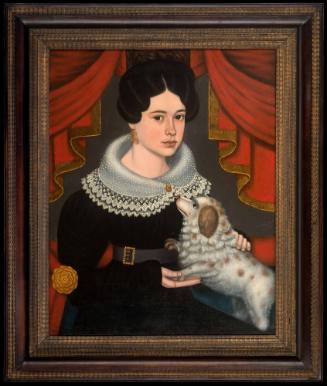
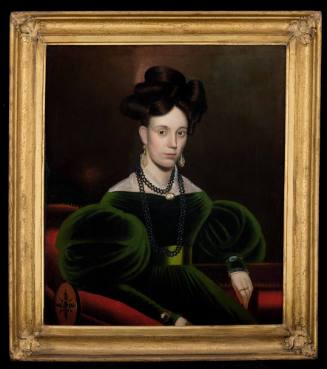
Lyman Parks (formerly known as the Wilkinson Limner)
Probably 1827-1830
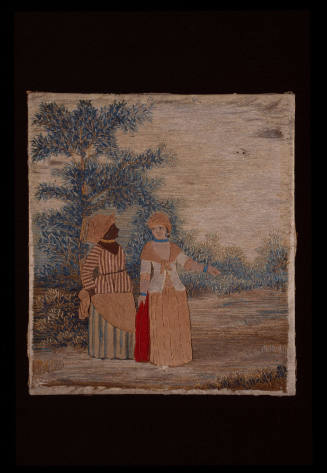
Ann Culpepper Fairfax
ca. 1805
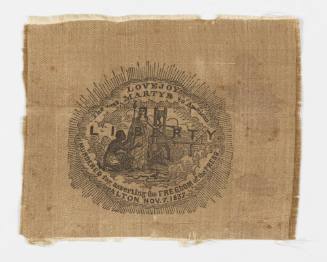
1837-1840
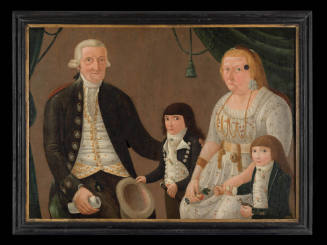
ca. 1795