
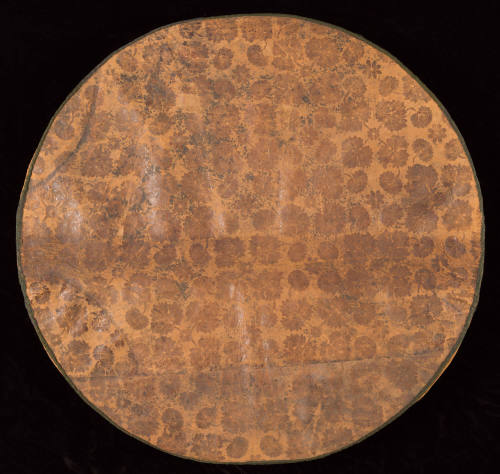
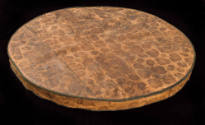
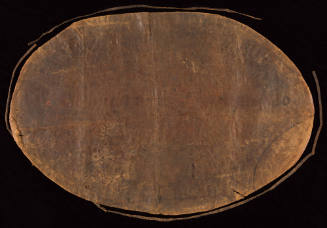
Table Cover, Leather, Ham House
Date1690-1700
OriginEngland
MediumLeather with green wool binding
Dimensions27" across; 1 5/8" high
Credit LineGift of S. W. Wolsey.
Object number1966-415,2
DescriptionThis is a cover for a small round table. The cover is constructed of tan leather that has been embossed or stamped with a darker brown glazed pattern consisting of a small repeat of leaves and small 8-petal flowers. The leaves are arranged in even-arm crosses springing from central 8-petal rosettes. The edges are bound all around with green fine wool tape. The 1 5/8-inch wide leather strip fastened to the round top is designed to hang down and cover the table edge.The design, which appears "polished," is probably achieved by stamping under heat and pressure, possibly with the addition of a sizing solution to add sheen.Label TextDuring the seventeenth and eighteenth centuries some elaborate wooden furniture was provided with protective covers to prevent damage from light fading and dust. English upholsterer and furniture maker Thomas Chippendale supplied his wealthy clients with leather covers for chairs, sofas, bedsteads, tables, and commodes. The practice of covering highly finished pieces continued into the early nineteenth century. In 1802, Thomas Sheraton made note of "[c]overs for pier tables, made of stamped leather and glazed, lined with flannel to save the varnish of such table tops" in his book "The Cabinet Dictionary."
This cover has a history of having been used at Ham House, a seventeenth-century historic house in Richmond, outside London, England.ProvenanceMr. Wolsey states that the tablecover came originally from Ham House.
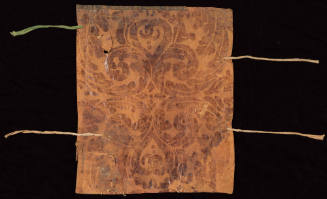
1690-1700
Late 17th c. or early 18th c.
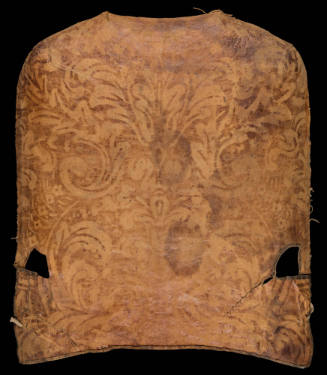
Late 17th or early 18th century

1810-1825

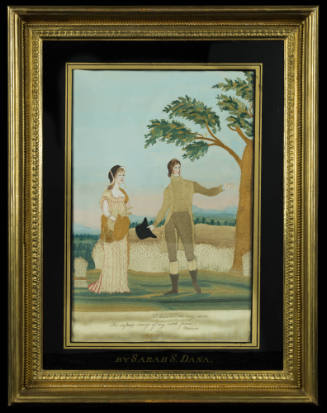
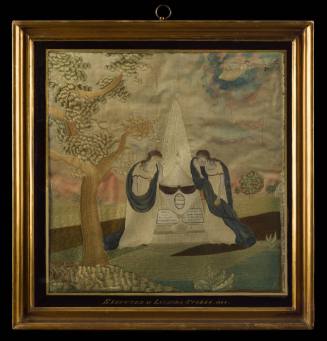

1750-1800
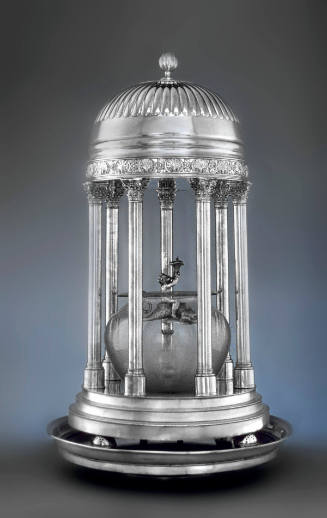
ca. 1815

Mary Wright Alsop
1800-1850
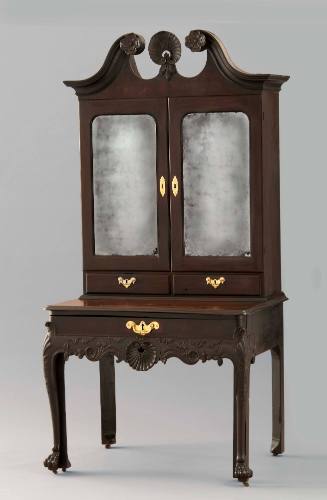
ca. 1740
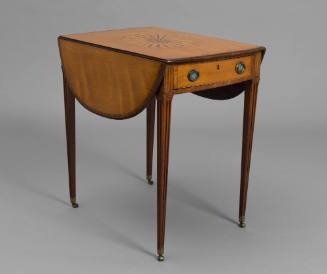
ca. 1785